Key Highlights
- Urban gardens are transforming food access in low-income areas by providing fresh, nutritious produce and building community power.
- Community gardens significantly improve food security and contribute to better public health outcomes, reducing diet-related diseases.
- Urban farming isn’t new; it has historical roots in movements like wartime victory gardens and continues as a tool for community resilience.
- Beyond food, these green spaces build community resilience, create social connections, economic opportunities, and address environmental justice.
- E-RoadMap has established comprehensive urban farms producing over 14,000 pounds of organic produce yearly through Operation No Food Gap, combining food production with beautification and strategic community engagement.
- Success requires more than just growing food—it demands strategic design, intentional community engagement, and volunteer retention strategies that transform gardens into beloved community spaces.
- Success stories like RivieraRoots showcase how community-led urban agriculture, combined with farm-to-table events, comprehensive wrap-around services, and strategic engagement, can successfully reshape local food systems and transform lives.
Introduction
Have you ever wondered where your next meal will come from, or if you’ll find fresh produce at the grocery store? For millions, this uncertainty is a daily reality. Food insecurity is a major issue, but a powerful solution is sprouting in cities across the nation: urban gardens.
More than just gardens, these are comprehensive food systems—combining local production, education, economic opportunity, and community empowerment.During times of crisis, people become more passionate about their food supply, and we’re seeing a boom in urban agriculture. These green spaces are more than just plots of land; they are vital tools in changing the future of food access and building community power.
But here’s what many organizations don’t understand: community gardens fail when they’re not well-managed and strategically designed. Poorly maintained gardens become eyesores that drive people away. The difference between a thriving garden and an abandoned lot is strategic leadership, intentional design, and continuous community engagement.
The Rise of Urban Gardening in Low-Income Communities
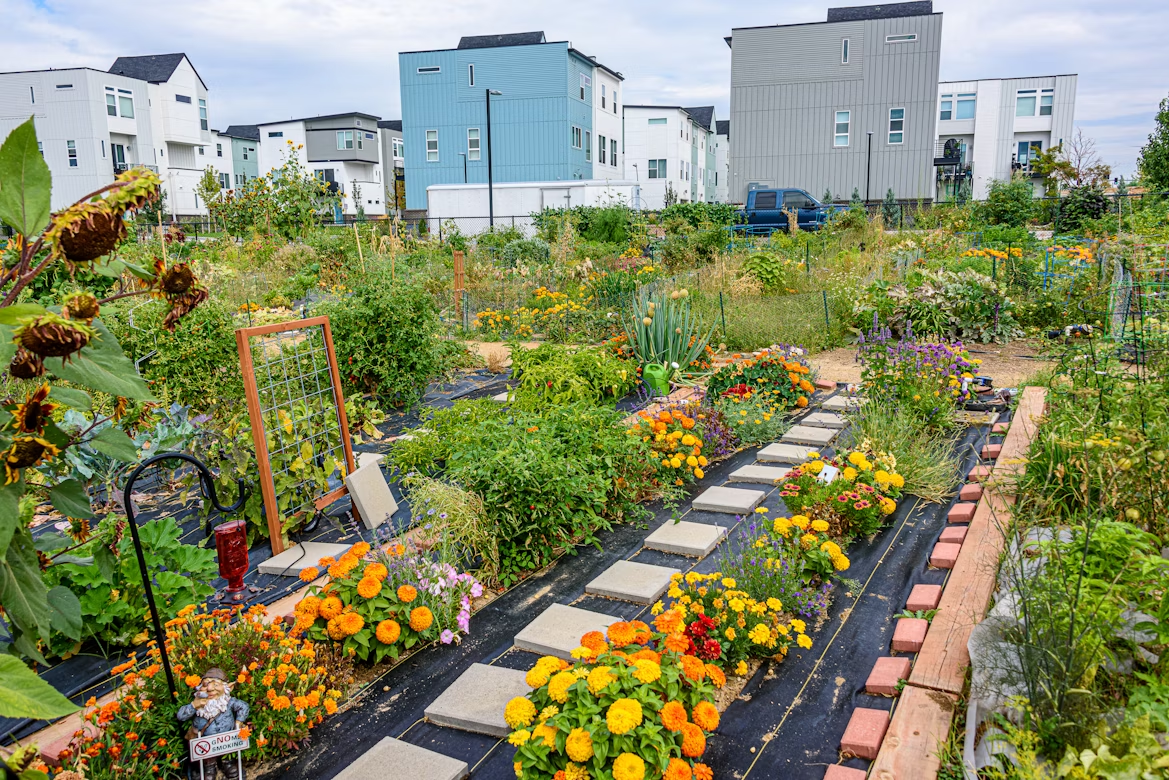
Urban gardening is becoming a beacon of hope, especially in low-income communities. Many of these neighborhoods are considered “food deserts,” where access to affordable, healthy food is severely limited. Traveling long distances on public transport just to reach a grocery store is a significant barrier for many families.
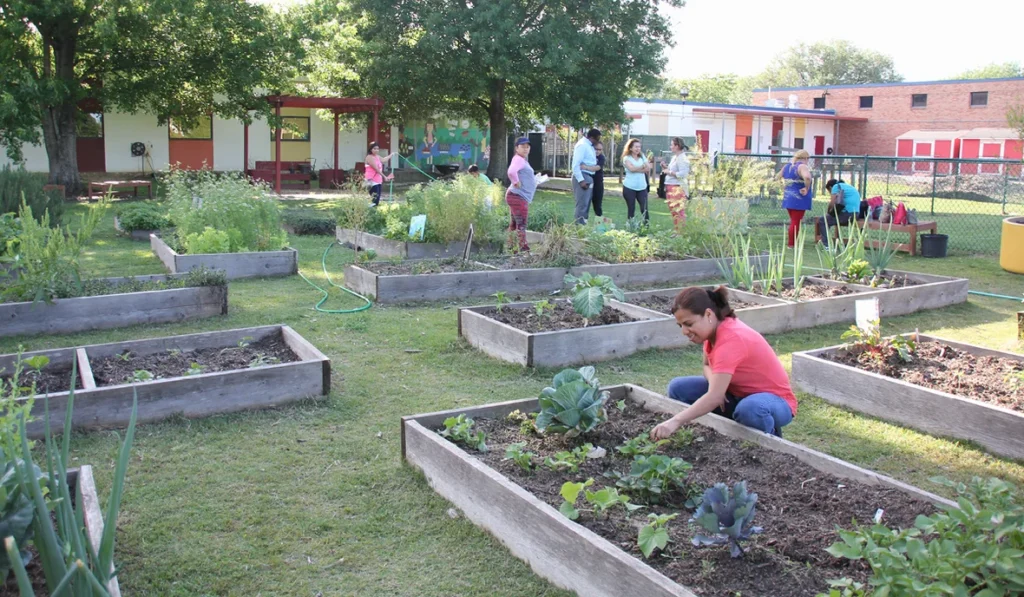
In response, urban agriculture is putting the power of food production back into the hands of city residents. By transforming vacant lots and unused spaces into thriving gardens and farms, communities are directly tackling food insecurity. This movement strengthens local food systems and provides a sustainable source of nutritious food right where it’s needed most.
E-RoadMap Corporation has pioneered a comprehensive approach through Operation No Food Gap, establishing urban farms that produce over 14,000 pounds of organic produce yearly while serving as beloved community spaces.This model demonstrates that strategic leadership, intentional design, and continuous community engagement are essential to creating gardens that residents don’t just use—they protect and champion.
The following sections will explore this trend in more detail and examine what separates thriving community gardens from abandoned ones.
Historical Overview of Urban Gardens in the United States
Growing food in cities is not a new concept in the United States. Throughout history, urban gardens have emerged during times of socio-economic crisis. For instance, during World War II, the government encouraged “victory gardens” to supplement food rations, boost morale, and strengthen the economy. These private and public plots became a symbol of resilience and community effort.
This trend has repeated itself during other challenging periods, such as the Great Depression and more recent economic recessions. When traditional food supply chains feel uncertain, people naturally turn to growing their own food for security. This historical pattern shows a deep-rooted connection between urban gardening and self-sufficiency.
Interestingly, while interest in gardening often peaks during crises, many Communities of Color have consistently maintained urban food-producing gardens regardless of economic shifts. For them, it has always been an important way to maintain cultural food practices and ensure access to fresh ingredients.
However, the modern challenge is different. Many cities have attempted to establish community gardens only to see them fail—abandoned, overgrown, and neglected. The difference between success and failure is strategic design, professional management, and intentional community engagement programs that keep residents invested and engaged.
Key Drivers Supporting Urban Agriculture Expansion—And What Makes Gardens Succeed
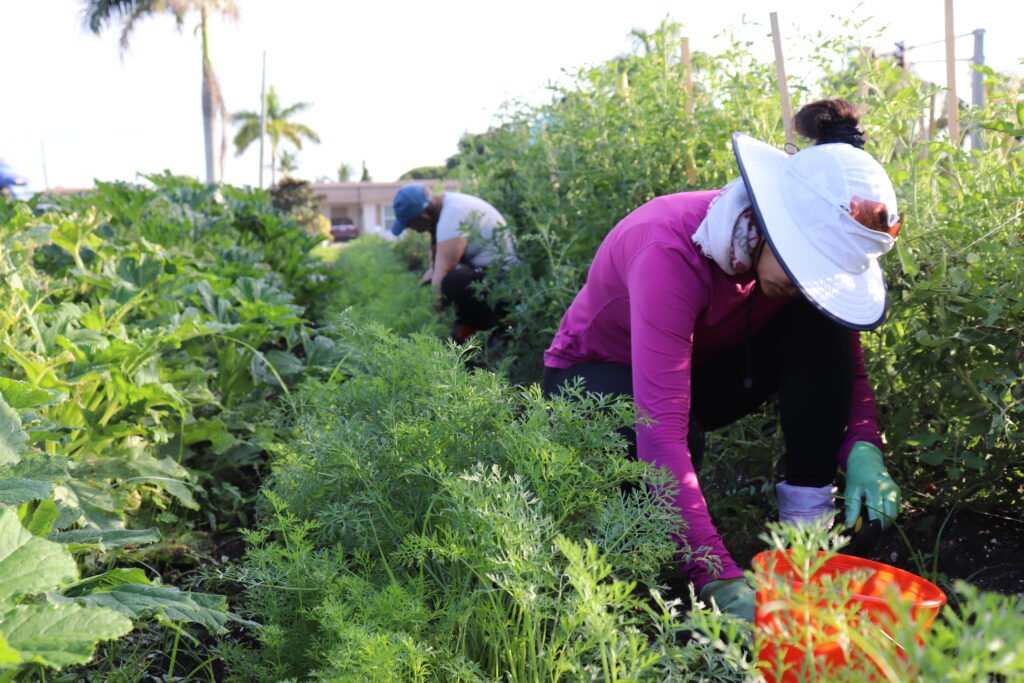
The expansion of urban agriculture is fueled by a desire to solve pressing community issues. For many city residents, the struggle to get fresh food is real. Urban farming provides a direct solution by making nutritious food production possible within neighborhoods that lack grocery stores.
This movement is also driven by a need for community education and connection. Urban farms serve as outdoor classrooms where people can learn about where their food comes from, bridging a gap in our understanding of food systems. They empower people to take control of their food supply and make healthier choices.
But success requires more than good intentions. It requires strategic leadership, intentional design, and continuous community engagement programs that keep residents invested.
Several key drivers are pushing this expansion forward:
- Addressing Food Deserts: Providing direct food access in areas with limited options for fresh, healthy food.
- Building Community Resilience: Creating systems that help communities cope with and adapt to challenges, from economic downturns to food shortages.
- Promoting Education: Teaching residents of all ages valuable skills in food production and sustainable living.
- Creating Economic Opportunity: Generating jobs, training, and income for residents while building local wealth.
- Strategic Design & Beautification: Creating spaces of peace and beauty that residents want to visit, protect, and maintain—transforming gardens into community assets rather than eyesores.
Why Community Gardens Fail—And How Strategic Design Changes Everything
Can community gardens truly make a difference? The answer is yes—but only when they’re designed and managed strategically.
The reality is that many community gardens fail. Without proper management, vision, and community engagement, gardens become overgrown, neglected, and abandoned. They become eyesores that depress property values and drive people away rather than draw them in. This is why so many cities have given up on community gardens—not because the concept doesn’t work, but because they lacked the strategic approach to make it work.
E-RoadMap has mastered what many organizations overlook: the combination of food production with beautification and strategic community engagement.Through Operation No Food Gap, gardens are designed as spaces of peace and beauty—places where residents want to spend time, where they feel pride, and where they’re motivated to invest their energy.
This strategic approach transforms everything. When a garden is beautiful, when it’s well-maintained, when residents see it as a reflection of their community’s power and potential, they become invested. They volunteer. They bring their families. They protect the space. They become ambassadors.
The result? E-RoadMap’s average volunteer clocks over 100 hours a year—not because they’re obligated, but because they’re genuinely invested in a space they love.
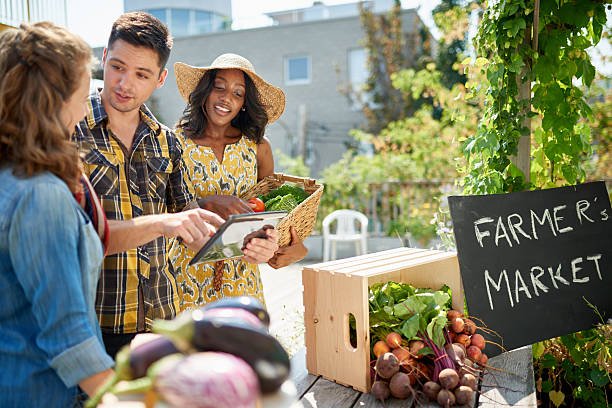
In many urban communities, the simple act of buying groceries can be a major challenge. Imagine spending over an hour on a bus just to reach a supermarket, possibly with kids in tow, and then having to carry everything back. This is the reality for many.
But when a beautiful, well-maintained garden is just a short walk away—a space designed as a sanctuary, not a work site—everything changes. Residents can easily access fruits and vegetables without the logistical hassle. They experience the joy of harvesting food they’ve grown. They connect with neighbors. They feel agency and pride.
This proximity empowers individuals and families to grow their own food, fostering a sense of self-reliance and food sovereignty. Instead of relying on distant stores and complex supply chains, people can harvest produce from their own backyard, ensuring their families have access to healthy, nutritious meals.
When these gardens are part of a comprehensive model—like E-RoadMap’s Operation No Food Gap, which produces thousands of pounds of organic produce annually—they become anchors for community transformation. Combined with farm-to-table events, nutrition education, workforce development, and strategic community engagement programs, they create holistic solutions that address food insecurity while building community power.
Transforming Local Food Ecosystems Through Strategic Urban Agriculture
Community gardens do more than just grow food; they transform entire local food ecosystems. In urban environments where fresh food can be scarce, these gardens become critical hubs in the food supply chain. They create a decentralized network of local food production that is less vulnerable to the disruptions that can affect large-scale agriculture.
E-RoadMap’s comprehensive urban farms produce over 14,000 pounds of organic produce yearly, demonstrating the scalability and impact of strategically designed and managed community-based food production. These operations partner with municipalities, nonprofits, schools, and community organizations to ensure that fresh produce reaches those who need it most.
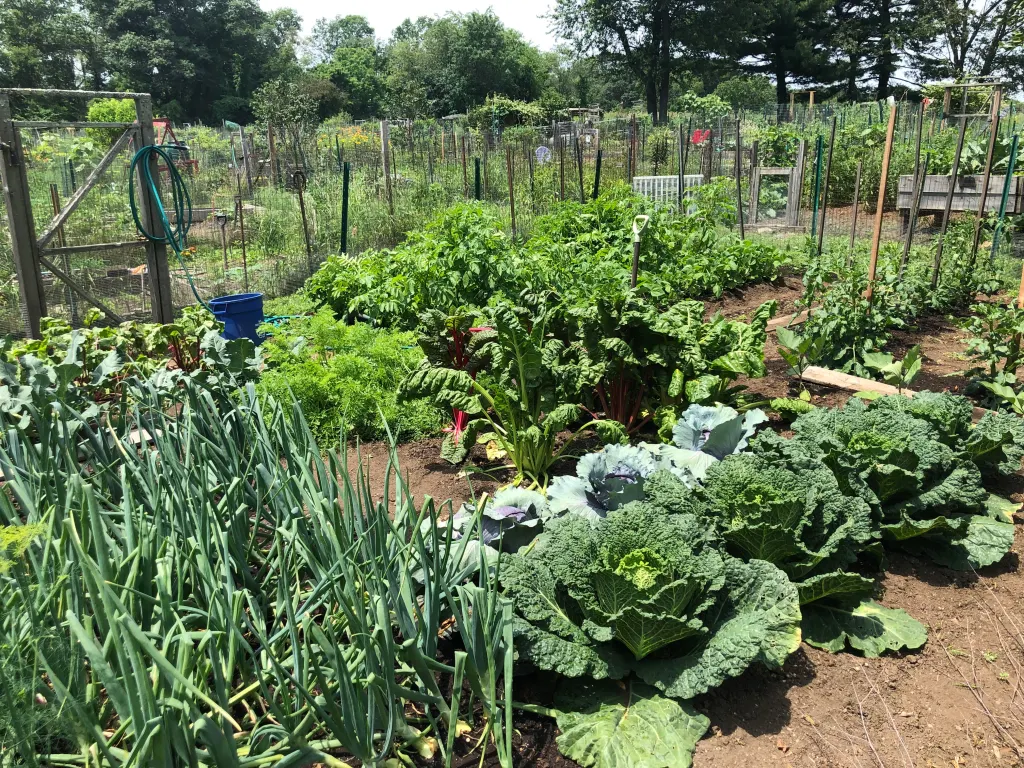
This helps build resilience against food shortages. When grocery store shelves are empty, a thriving community farm can continue to provide. These spaces are changing how cities think about food, proving that sustainable solutions can be grown right in our own neighborhoods.
The key difference is intentional design and continuous community engagement. Gardens that are designed as beautiful spaces, that are professionally managed, and that have strategic community engagement programs built in become beloved community assets. Gardens that lack this strategic approach become abandoned.
How Strategic Urban Agriculture Improves Food Security and Availability
Urban gardens directly combat food insecurity by increasing the availability of nutritious food for urban populations. Studies show that community gardens are linked to a significant increase in fruit and vegetable consumption among participants. When fresh vegetables are readily available, people are more likely to incorporate them into their diets.
E-RoadMap’s Operation No Food Gap produces over 14,000 pounds of organic produce yearly, supplying residents, community partners, schools, and nonprofits with fresh, nutritious food. This high level of productivity in small spaces demonstrates how effective urban farming can be when combined with strategic leadership and intentional design.
By providing a reliable source of fresh food, urban gardens empower residents to have greater control over their health. They are a practical and powerful tool for ensuring everyone has access to the healthy food they need to thrive.
| Benefit | Impact on Food Security |
| Increased Access | Gardens and farms in food deserts provide fresh produce where none was available. |
| Higher Consumption | Proximity to gardens leads to increased family consumption of fresh fruits and vegetables. |
| Food Sovereignty | Empowers communities to define and control their own food systems. |
| Reliable Supply | Farms producing thousands of pounds yearly ensure consistent access to fresh produce. |
| Economic Benefit | Reduces household food costs while creating jobs and economic opportunity. |
| Community Pride | Beautifully designed spaces create pride and investment, ensuring long-term sustainability. |
Ripple Effects on Neighborhood Nutrition, Health, and Community Cohesion
The benefits of urban gardens extend far beyond the dinner plate, creating positive ripple effects on public health and community well-being. The physical activity involved in gardening—digging, planting, and harvesting—is great exercise and can help reduce the risk of chronic illnesses like obesity and diabetes. This direct engagement with nature improves physical well-being.
Beyond physical health, these green spaces have profound effects on mental health. Gardening is known to relieve stress and improve overall well-being. It provides a quiet refuge from the hustle and bustle of city life, allowing people to connect with nature and each other in a calming environment.
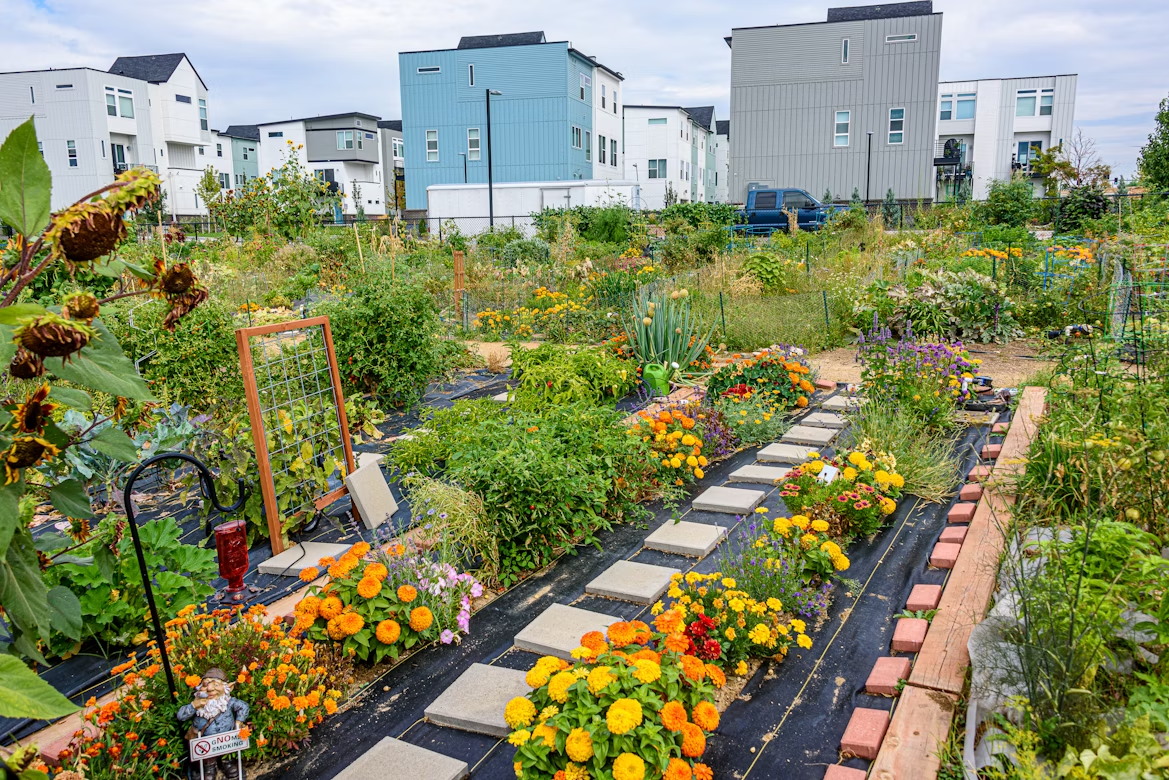
When gardens are designed as spaces of peace and beauty—not just functional work sites—the mental health benefits multiply. Residents experience these spaces as sanctuaries, as places of restoration and connection. This transforms volunteer retention and community investment.
These gardens also tackle environmental health issues. By increasing vegetation, they help reduce the urban heat island effect, which disproportionately affects low-income communities and can worsen respiratory problems like asthma. This makes neighborhoods cooler, safer, and healthier for everyone.
When urban farms are paired with strategic community engagement programs—nutrition education, cooking classes, farm-to-table events, and community gatherings—the health and social benefits multiply. These comprehensive approaches address not just food access, but also food literacy, cultural connection, community cohesion, and collective power.
Creating Economic Opportunities and Building Volunteer Investment
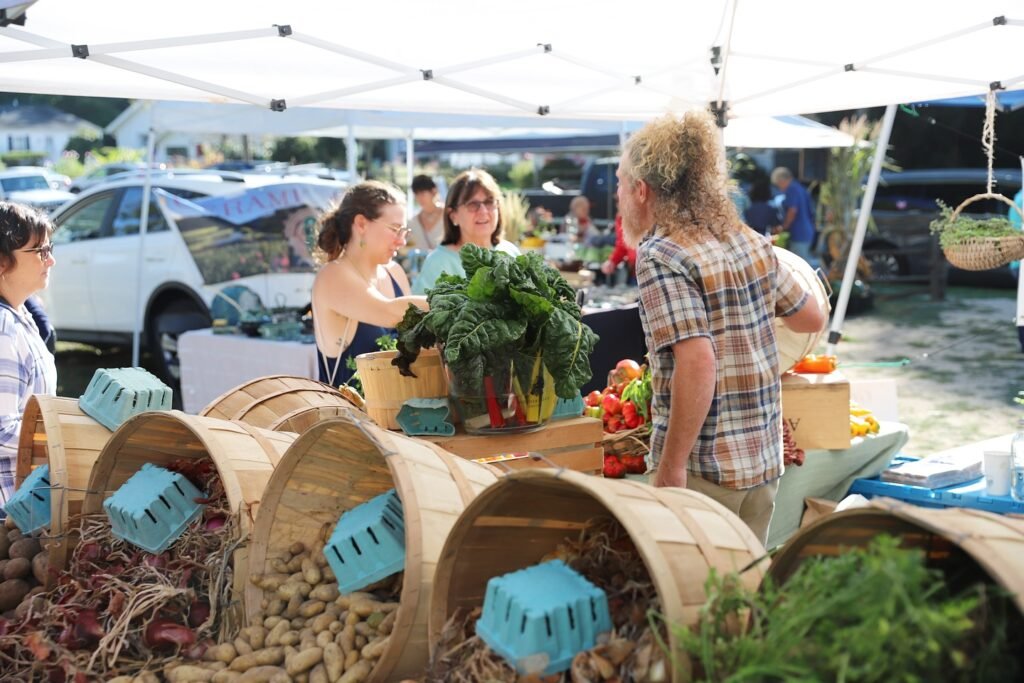
Urban gardening is not just good for health; it’s good for the local economy and community investment. For families, growing their own food can significantly reduce food costs, freeing up money for other essential expenses. Urban farms also create direct economic benefits for the community.
E-RoadMap’s Operation No Food Gap creates jobs for farm managers, maintenance workers, educators, and community coordinators. Many urban farms and community gardens generate revenue and provide employment. Some operate as full-time commercial ventures, supplying produce to local farmers’ markets, restaurants, grocery stores, schools, and nonprofits.
But perhaps most importantly, strategic community engagement programs build volunteer investment that sustains the work long-term. E-RoadMap’s average volunteer clocks over 100 hours a year—not because they’re obligated, but because they’re invested in a space they love, a community they’re part of, and work that matters.
This volunteer retention is the secret to long-term sustainability. When gardens are beautiful, when they’re professionally managed, when residents see themselves as part of something powerful, they show up. They bring their families. They recruit their friends. They become ambassadors.
Value-Added Economic Opportunities:
- Value-Added Products: Creating and selling items like jam, jelly, or hot sauce from garden produce.
- Hosting Events: Using garden spaces for community events, farm-to-table dinners, workshops, or educational programs.
- Selling Seedlings: Supplying other gardeners with starter plants.
- Workforce Development: Training residents in agriculture, horticulture, and food production skills that lead to employment.
- Volunteer Engagement: Building strategic community engagement programs that keep residents invested and engaged year-round.
Success Stories: RivieraRoots and E-RoadMap’s Comprehensive Mode
The true power of urban gardens is best seen through the success of real-world projects. Across the country, innovative urban agriculture operations are making a tangible difference in their communities. These initiatives are led by passionate community members and organizations dedicated to improving the local food supply and ensuring better food access for all.
E-RoadMap’s comprehensive model—combining food production with beautification, strategic community engagement, and wrap-around services—serves as an inspiring blueprint for how to build community-driven food solutions that actually work.
E-RoadMap’s Operation No Food Gap: A Model for Strategic Urban Agriculture
Operation No Food Gap exemplifies a comprehensive approach to urban agriculture and community food security that goes far beyond simply planting seeds. This initiative combines community gardening, education, strategic design, and continuous community engagement to transform neighborhoods and build food sovereignty.
The model includes:
- Strategically Designed Urban Farms: Beautiful, well-maintained spaces that residents want to visit and protect. E-RoadMap produces over 14,000 pounds of organic produce yearly through Operation No Food Gap, demonstrating the power of professional management and intentional design.
- Beautification as Strategy: Gardens are designed as spaces of peace and beauty—not just functional work sites. This transforms how residents relate to the space and dramatically increases volunteer retention and community investment.
- Nutrition Education: Workshops and classes teach residents about healthy eating, cooking, and food preparation.
- Farm-to-Table Events: Community harvest dinners and celebrations that bring neighbors together, build cultural connection, and demonstrate the direct link between local production and community health.
- Youth Leadership: Young people are trained as educators and advocates, building climate literacy and food justice consciousness.
- Wrap-Around Services: Partnerships with nonprofits, municipalities, and funders ensure that residents receive holistic support including job training, health services, and civic engagement opportunities.
- Strategic Community Engagement Programs: Continuous engagement strategies that keep residents invested, volunteering, and championing the work. E-RoadMap’s average volunteer clocks over 100 hours a year—evidence of genuine community investment.
This initiative is a perfect example of an organization identifying a need and creating a comprehensive solution. By combining food production with beautification, strategic community engagement, education, economic opportunity, and community building, Operation No Food Gap ensures that the most vulnerable community members have not just food, but also agency, skills, connection, and pride.
The RivieraRoots Model: Community-Driven Food Solutions
RivieraRoots exemplifies how strategic urban agriculture can be scaled across a community. This initiative combines community gardening, education, and civic engagement to transform neighborhoods and build food sovereignty.
The model demonstrates the importance of strategic community engagement programs in sustaining long-term impact. By combining beautiful garden spaces with continuous engagement opportunities—workshops, events, youth programs, and community gatherings—RivieraRoots keeps residents invested and engaged year-round.
Community Empowerment and Social Cohesion

Urban gardens are incredible hubs for community empowerment and social cohesion. They are places where community members gather, share information, and build strong social connections. In these shared spaces, neighbors don’t just exchange gardening tips; they share recipes, stories, and advice on everything from childcare to neighborhood safety.
Farm-to-table events create particularly powerful moments of connection and celebration. When residents harvest produce they’ve grown and share meals together, they experience the direct link between their work, their food, and their community. These events build pride, belonging, and collective power.
Strategic community engagement programs—regular workshops, seasonal celebrations, youth programs, and volunteer opportunities—keep residents engaged and invested long-term. This is what separates thriving gardens from abandoned ones.
These gardens build community in numerous ways:
- They serve as common ground for residents to meet, collaborate, and make decisions together.
- They facilitate cultural exchange and encourage participation in neighborhood activities.
- They provide a supportive network where people can find friendship and mutual support.
- They create spaces where residents see themselves as producers, not just consumers—as agents of change, not victims of circumstance.
- They demonstrate that communities have the power to transform their own neighborhoods when given resources, support, and strategic leadership.
Replicating Success: Lessons from E-RoadMap and Leading Urban Gardens
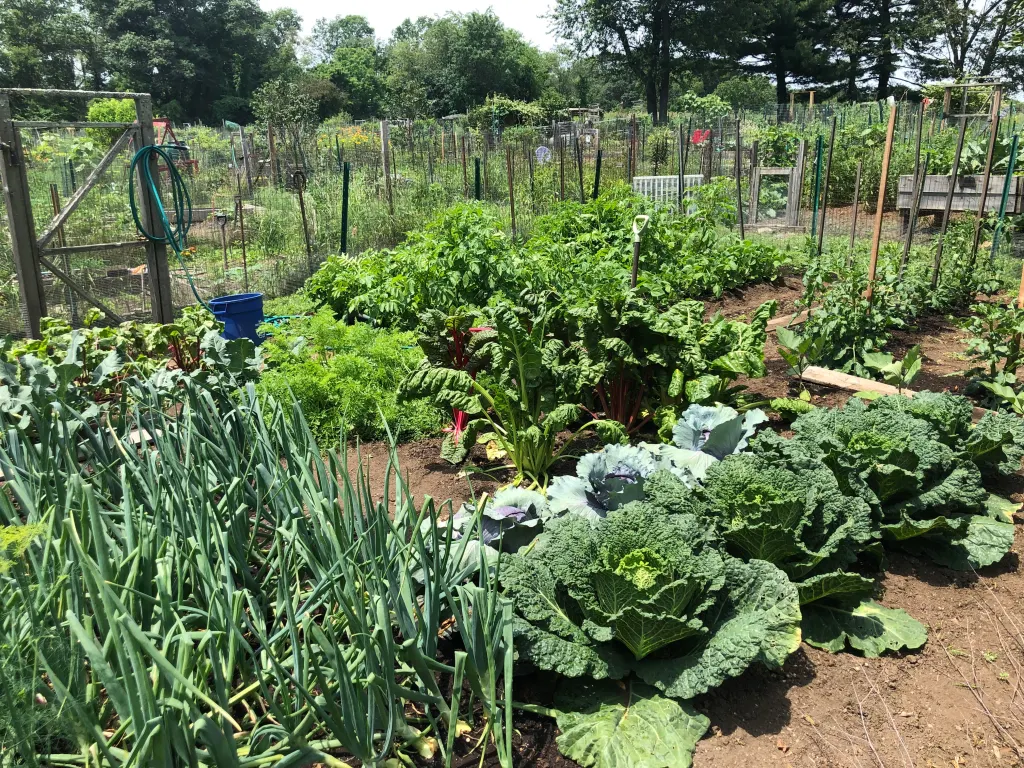
To replicate the success of leading urban gardens, it’s important to learn from their best practices. E-RoadMap’s comprehensive model demonstrates the importance of:
Strategic Leadership & Professional Management: Successful urban farms require experienced leadership, clear vision, and professional management. Gardens that are poorly maintained become eyesores; gardens that are strategically designed and managed become beloved community assets.
Beautification as Core Strategy: Design gardens as spaces of peace and beauty, not just functional work sites. When residents see a garden as a sanctuary—a place of restoration and pride—they become invested. They volunteer. They protect the space. They bring their families.
Scale & Productivity: Investing in infrastructure, training, and resources to achieve significant production that can meaningfully impact community food security. E-RoadMap’s 14,000+ pounds of organic produce yearly demonstrates what’s possible with strategic investment.
Partnerships: Working with municipalities, nonprofits, schools, funders, and community organizations to ensure that fresh produce reaches those who need it most and that wrap-around services are available.
Wrap-Around Services: Combining food production with nutrition education, workforce development, farm-to-table events, and community engagement to create holistic solutions.
Strategic Community Engagement Programs: Building continuous engagement opportunities—workshops, events, volunteer roles, youth programs—that keep residents invested and engaged year-round. This is what transforms gardens from projects into movements.
Community Leadership: Centering resident voice and leadership in all decisions, ensuring that solutions are designed with communities, not for them.
Volunteer Retention Strategies: Creating beautiful spaces and meaningful engagement opportunities that inspire residents to invest 100+ hours annually. This level of volunteer commitment is the foundation of long-term sustainability.
Another lesson comes from successful models that operate as nonprofits. This structure allows them to accept donations, use volunteers, and apply for grants, making their operations more sustainable. Often, these nonprofits are deeply involved in social programs, linking food security directly to community well-being.
The key takeaway is that successful urban agriculture is about far more than just growing food. It requires strategic leadership, intentional design, comprehensive services, community leadership, and a commitment to addressing both food insecurity and systemic inequality. By adopting these strategies, more cities can build effective programs that improve food security and community power for everyone.
Overcoming Challenges in Urban Gardening: Why Many Fail and How to Succeed
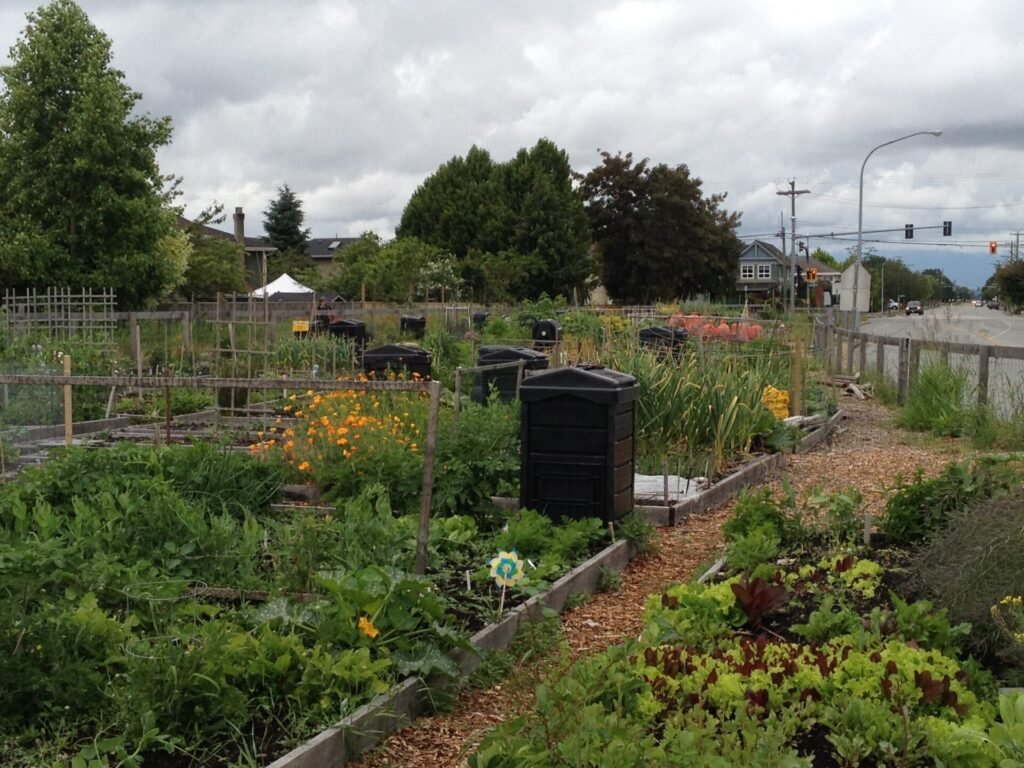
Despite its many benefits, urban gardening is not without its challenges. Urban farmers often face a host of obstacles that can make it difficult to grow food for their communities. From securing land and water to navigating complex city policies, the path to a thriving garden can be filled with hurdles.
Many organizations attempt to establish community gardens and fail—not because the concept doesn’t work, but because they lack the strategic leadership, design vision, and community engagement programs needed to sustain them. Organizations establishing comprehensive urban farms have learned that overcoming these barriers requires creativity, persistence, strong community support, strategic partnerships, and professional management.
Addressing issues around funding, land access, regulations, design, and volunteer retention is crucial for the long-term success and expansion of urban agriculture.
Barriers Faced by Urban Gardeners: From Land Access to Design and Management
One of the biggest hurdles for urban farming is land access. In dense urban areas, the high price of land makes it nearly impossible for farmers to buy their own plots. Many rely on vacant lots, which are often at risk of being repurposed for real estate development with little notice.
Even when land is available, other challenges arise. Finding an affordable water source can be difficult, with some gardeners resorting to collecting tap water or implementing rainwater harvesting systems. Rehabilitating contaminated urban soils requires significant time, energy, and resources, with compost costs running into thousands of dollars a year.
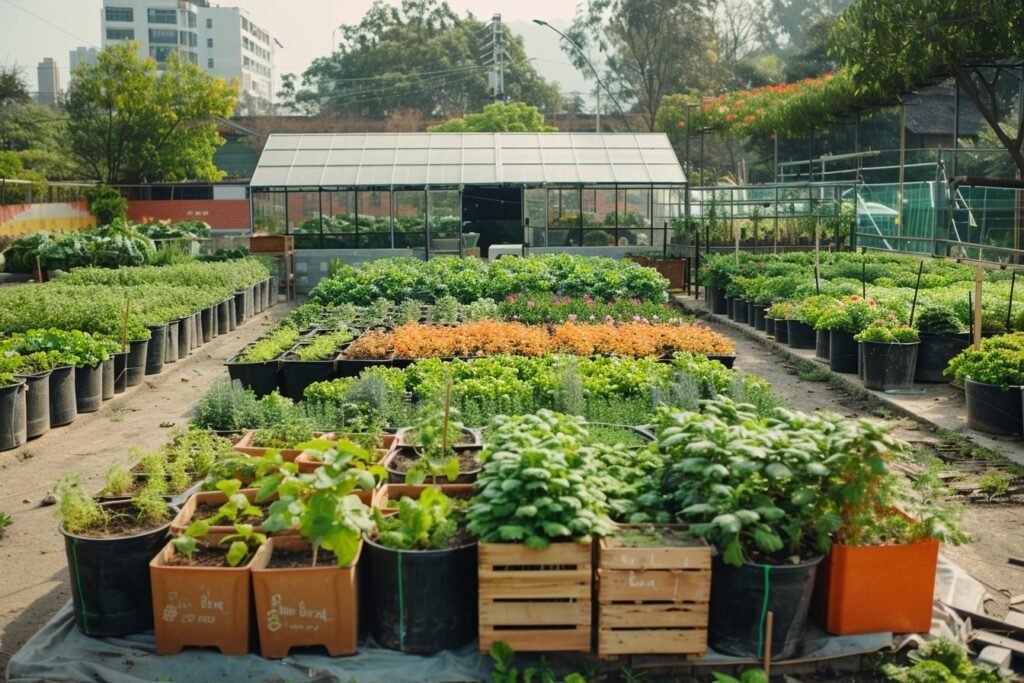
But perhaps the most overlooked challenge is design and management. Many community gardens fail because they’re not designed as beautiful spaces. They become overgrown, neglected, and abandoned—eyesores that drive people away rather than draw them in. Without strategic design, professional management, and intentional community engagement, gardens cannot sustain long-term volunteer investment and community support.
These core challenges highlight the resourcefulness required of urban gardeners and the importance of organizational support, funding, and strategic leadership. Key barriers include:
- Land Access: The high cost and temporary nature of available land in cities.
- Resource Scarcity: Difficulty finding affordable water sources and healthy soil.
- Funding: The constant need for financial support to cover operational costs like compost, tools, equipment, and labor.
- Strategic Design: Creating beautiful, well-maintained spaces that inspire community investment rather than neglect.
- Professional Management: Having experienced leadership and management to ensure gardens are well-maintained and thriving.
- Community Engagement: Building continuous engagement programs that keep residents invested and volunteering year-round.
Navigating Policy and Regulatory Hurdles
City policies and regulations can either be a great help or a major hindrance to urban gardening. Some cities have prohibitive ordinances that create red tape for gardeners, while others face pushback against turning green spaces into agricultural plots. Navigating the rules set by city government is a critical part of establishing a successful urban farm.
A key policy area is how food assistance programs are handled. For example, many traditional Community Supported Agriculture (CSA) models are unable to accept Supplemental Nutrition Assistance Program (SNAP) benefits. This limits access for low-income families who could benefit the most.
In contrast, supportive policies and partnerships can make a world of difference.Programs that accept SNAP/EBT payments, that provide land access, that support water infrastructure, and that integrate with food assistance programs are essential for helping urban agriculture thrive.
Best Practices for Sustainable Urban Agriculture
To ensure the long-term success of urban agriculture, adopting sustainable best practices is essential. Innovation is key, as seen in projects that test using harvested rainwater from rooftop gardens. This system provides a free, non-potable water source while also reducing stormwater runoff, a major pollutant in urban environments.
Soil health is another critical area. Researchers are experimenting with different tillage methods and cover crops to find the most efficient ways to rehabilitate urban soils. Sharing this knowledge in accessible language helps the average gardener manage their plot more effectively.
But equally important are the “soft skills” of garden management: strategic design, professional stewardship, and intentional community engagement. These are what transform gardens from projects into beloved community assets.
Sustainable practices ensure that urban farms are both productive and environmentally friendly, while also building long-term community investment:
- Innovative Water Use: Implementing systems like rainwater harvesting to conserve water and reduce costs.
- Soil Rehabilitation: Using cover crops and compost to build healthy, productive soil over time.
- Community Engagement: Designing beautiful green spaces and building continuous engagement programs that keep residents invested.
- Professional Management: Ensuring gardens are well-maintained, beautiful, and thriving year-round.
- Volunteer Retention: Creating meaningful opportunities and beautiful spaces that inspire residents to invest 100+ hours annually.
Conclusion
Urban gardens are revolutionizing food access and nutrition in low-income communities, fostering not only food security but also economic opportunities, social cohesion, and community power. E-RoadMap’s Operation No Food Gap exemplifies how strategic leadership, intentional design, and comprehensive community engagement can create urban farms that produce over 14,000 pounds of organic produce yearly while inspiring residents to volunteer 100+ hours annually.
The key difference between thriving gardens and abandoned ones is strategic design, professional management, and continuous community engagement programs. When gardens are designed as spaces of peace and beauty—not just functional work sites—when they’re professionally managed, and when residents have continuous engagement opportunities, they become beloved community assets that residents protect and champion.
Initiatives like RivieraRoots and E-RoadMap’s comprehensive model showcase how community-driven projects can create ripples of positive change, empowering residents to take control of their food sources, their healt